


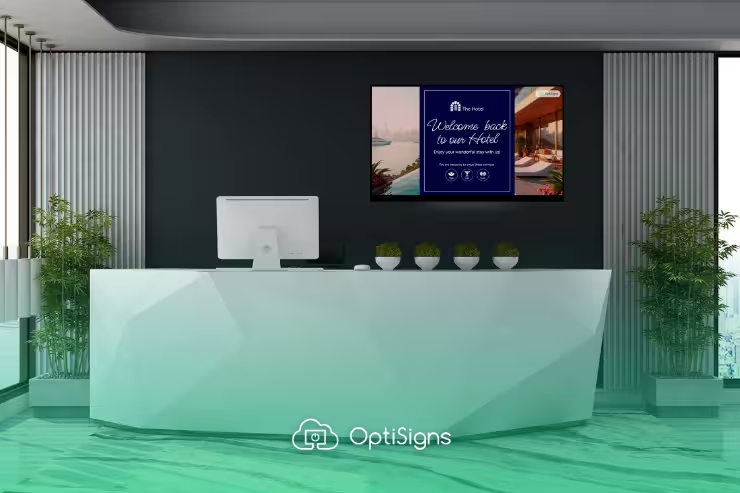
The hospitality industry constantly seeks innovative solutions to improve guest satisfaction, operational efficiency, and brand differentiation. Digital signage is a pivotal technology that transforms the traditional hotel environment into a dynamic, engaging, and informative space.
By leveraging digital displays strategically placed throughout hotel premises, properties can provide real-time information, promote their services, enhance branding, and streamline internal communication. This article explores how hotels and hospitality providers can use digital signage to elevate the guest experience, from check-in to check-out, and beyond.
Main Takeaways From This Article:
- Digital signage offers a multifaceted approach to enhancing the guest journey, from initial check-in to final check-out.
- Real-time information dissemination through digital displays ensures guests are consistently updated on relevant details.
- Strategic promotion of on-site services and amenities via digital signage can drive revenue and improve guest convenience.
- Digital signage facilitates efficient internal communication among hotel staff, contributing to smoother operations.
- Centralized content management systems simplify the process of updating and scheduling information across multiple displays.
How Digital Signage Is Transforming the Hospitality Industry
The modern traveler expects a seamless, personalized, and engaging experience when they book a hotel stay. Digital signage can address these expectations by offering dynamic and visually appealing communication channels in the hotel.
Unlike static signage, digital displays can present a wide array of content, including text, images, videos, and interactive elements, allowing for more engaging and informative interactions with guests.
This adaptability makes digital signage a versatile tool for various hotel applications, from interactive wayfinding and promotional displays to informational kiosks and internal communication boards. The ability to update content remotely and in real-time ensures that information is always current and relevant, a crucial aspect in a dynamic industry like hospitality.
Benefits of Using a Digital Signage Solution in Hotels
Implementing digital signage in hotels offers several tangible benefits:
Enhances the Guest Experience From Check-In to Check-Out
The guest journey begins at check-in and extends until departure. Digital signage can positively influence each stage of this journey. Upon arrival, welcoming messages and wayfinding screens can create a positive first impression and guide guests efficiently throughout the property.
Digital displays can provide essential information about hotel amenities, local attractions, and upcoming events for guests. At check-out, digital displays can provide billing information or promote brand loyalty programs, leaving a lasting impression.
Keep Guests Informed in Real Time
Timely and accurate information is paramount in the hospitality industry. Digital signage enables hotels to disseminate real-time updates regarding weather forecasts, traffic conditions, flight information, and changes in hotel schedules.
This approach to information sharing enhances guest convenience and reduces inquiries directed at hotel staff, allowing them to focus on providing more personalized service.
Promotes On-Site Services and Amenities
Hotels often offer a range of on-site services, including restaurants, spas, fitness centers, and gift shops. Digital signage provides an effective platform to promote these amenities.
Strategically placed displays can showcase menu items, spa treatments, fitness class schedules, and retail offerings through visually appealing content. This informs guests about what is available and encourages them to utilize these services, increasing the hotel's revenue streams.
Streamlines Internal Communication for Staff
Beyond guest-facing applications, digital signage plays a crucial role in internal communication. Displays in back-of-house areas can broadcast important announcements, staff schedules, training information, and performance metrics.
This ensures that all team members are well-informed and aligned, contributing to smoother operations and improved service delivery.
Creates a Branded, High-End Atmosphere
The visual appeal of a hotel significantly contributes to the overall guest experience. Modern digital displays with professionally designed content can enhance the aesthetic of any hotel environment, projecting a sophisticated and contemporary image.
Brand consistency across all digital touchpoints reinforces the hotel's brand identity and creates a cohesive guest experience.
Easy Setup and Centralized Content Control for Multiple Locations
Digital signage solutions often feature user-friendly interfaces and centralized content management systems. These systems allow hotel staff to easily create, schedule, and deploy content across multiple screens and locations from a single platform.
Remote management capabilities are particularly beneficial for hotel chains or larger properties, as they ensure consistent messaging and efficient updates across all displays.
Where to Use Digital Signage in Hotels for Maximum Impact
Different areas in a hotel offer unique opportunities to engage guests and disseminate relevant information using strategically placed digital signage:
.avif)
Lobby and Reception Area
The lobby is the first and last point of contact for guests. Digital signage in this area can serve multiple purposes, including welcoming guests, providing wayfinding information, displaying check-in/check-out procedures, showcasing hotel amenities, and featuring promotional offers. Interactive kiosks can further empower guests to access information and services independently.
Elevators and Elevator Lobbies
Digital displays in these locations can provide information about hotel services, local attractions, weather updates, or even entertaining content. This transforms otherwise passive waiting periods into opportunities for engagement and information dissemination.
Conference and Meeting Spaces
For hotels with conference and meeting facilities, digital signage is invaluable for displaying event schedules, room assignments, speaker information, and sponsor acknowledgments. Digital wayfinding outside meeting rooms ensures attendees can easily navigate the event spaces.
Restaurants, Cafés, and Bars
Digital menu boards offer a dynamic and visually appealing way to present food and beverage options. They allow for easy updates to pricing and specials, can display high-quality images of dishes, and can even incorporate nutritional information or allergy warnings. Digital displays can also promote special events or offers within the dining venues.
Hallways and Common Areas
Strategically placed digital screens in hallways and common areas can provide wayfinding assistance, highlight hotel amenities, display local information, or showcase upcoming events. By providing readily accessible information, these displays can enhance the overall guest experience.
Fitness Centers and Spas
Digital signage in a gym or fitness center can display class schedules, membership promotions, or health tips. Interactive screens allow guests to book appointments or explore services, enhancing the perceived value of on-site wellness facilities.
Back-of-House and Staff Areas
Digital signage in staff areas can improve internal communication by displaying schedules, important announcements, training materials, and employee recognition. This guarantees that all team members are well-informed and aligned with the hotel's operational objectives and strategic goals.
Best Types of Content for Hotel Digital Signage
The effectiveness of digital signage depends on the relevance and quality of content displayed. The following types of content are most impactful in a hotel setting:
Welcome Messages and Branded Greetings
Beyond a simple "Welcome!", effective welcome messages leverage personalization and strong branding. Imagine a screen displaying "Welcome, Mr. Johnson" alongside the hotel's logo and a visually appealing image of the lobby or a local landmark. This immediately creates a more personal and inviting atmosphere than generic static signage.
The branding aspect extends beyond just the logo; it can incorporate the hotel's color palette, typography, and overall visual style, ensuring consistency across all touchpoints.
Consider dynamic welcome messages that change based on the time of day (e.g., "Good Morning," "Good Afternoon," "Welcome, Evening Guests!") or even incorporate subtle animations to capture attention. With an AI-powered audience intelligence platform, hotels can automatically test and optimize different welcome messages and layouts based on real-time viewer engagement and demographics.This initial interaction sets the tone for the guest's stay, fostering a sense of recognition and care.
Local Events and Area Recommendations
This content goes beyond simply listing nearby attractions. High-impact displays will feature visually rich content such as high-quality photographs or short videos showcasing the local area. Imagine a screen displaying a tempting video of a local food market, followed by a list of recommended dishes and directions.
For events, instead of just a title and date, include engaging visuals, brief descriptions, and even QR codes that guests can scan for more information or to purchase tickets. Transportation options can be displayed with real-time updates on bus or train schedules, alongside clear directions from the hotel. Curating these recommendations based on different guest profiles (families, business travelers, or tourists) can further boost relevance and engagement.
Digital Menu Boards
Digital menu boards offer a significant upgrade from static menus. The ability to display vibrant, high-resolution images and videos of dishes can significantly influence purchasing decisions. Beyond visuals, digital menus allow for easy updates to pricing, daily specials, and seasonal offerings without the cost and time associated with printing new menus. They can also incorporate dynamic elements like highlighting popular items, displaying customer reviews (where appropriate), and even suggesting pairings (e.g., "Try our Cabernet Sauvignon with the grilled lamb").
Digital menus can be programmed to change throughout the day, displaying breakfast, lunch, and dinner options at the relevant times. They can also cater to dietary restrictions by clearly marking vegetarian, vegan, or gluten-free options.
Live Data and Feeds
The power of live data lies in its utility and immediacy. Weather updates can provide current conditions, forecasts, and even localized alerts. Traffic information can show real-time conditions and suggest optimal routes for guests venturing out. Flight schedules displayed in the lobby or near business centers provide crucial information for departing guests, reducing anxiety and the need to check their phones. Hotels can also display Sports Feeds with real-time game insights that will occupy guests as they wait for their rooms.
Hotels can also integrate other relevant live feeds, such as social media walls showcasing positive guest mentions (with appropriate moderation) or even live updates from on-site events. The key is to provide information that is genuinely useful and timely for the guests' current needs.
Event Schedules and Meeting Room Assignments
For hotels with event spaces, digital signage is indispensable for clear and up-to-date information dissemination. Instead of static signs that can be easily overlooked or become outdated, dynamic displays can show real-time schedules, including session titles, speaker names & biographies (with photos), and precise meeting room locations with wayfinding arrows.
Changes to schedules or room assignments can be updated instantly, ensuring attendees always have the latest information. During breaks, these screens can display sponsor logos, event-related social media hashtags, or live Q&A feeds. Aside from individual meeting rooms, displays can indicate the current session, upcoming events, and any relevant instructions or materials. This significantly improves the organization and flow of events, enhancing the experience for both organizers and attendees.
Health and Safety Information
Digital signage also allows hotels to communicate health and safety guidelines. Instead of static signs that feel clinical, dynamic displays can present information in an engaging and reassuring manner. This can include visual reminders about hygiene protocols, clear explanations of emergency procedures (with visual aids like evacuation maps), and updates on local health advisories.
The flexibility of digital signage allows hotels to adapt these messages quickly in response to changing circumstances. Consider displaying short, informative videos on handwashing techniques or showcasing the hotel's commitment to cleanliness through visually appealing graphics.
Employee Recognition and Internal Updates
Digital signage in back-of-house areas is a powerful tool for internal communication and fostering a positive work environment. Recognizing employee achievements, such as "Employee of the Month," with a photo and a brief description of their contributions, can boost morale and motivation. Sharing company news, updates on performance metrics, and important announcements via digital displays ensures that all staff members are informed and aligned with the hotel's goals and activities.
This can replace traditional notice boards that are often cluttered and overlooked. Use visually engaging templates and rotating content to keep the information fresh and attention-grabbing. You could also display training schedules, safety reminders specific to staff areas, and even internal social events to build a stronger team culture.
Enhance Guest Satisfaction With Smarter Hospitality Digital Signage From OptiSigns
Implementing an effective digital signage strategy in a hotel requires a reliable, flexible platform. OptiSigns offers a comprehensive solution tailored for hospitality environments, enabling hotel operators to manage multiple screens remotely, schedule dynamic content, and effortlessly create branded experiences.
OptiSigns offers a comprehensive digital signage platform specifically designed to meet the unique needs of the hospitality industry. Its intuitive interface and robust features empower hotels to manage their digital displays effectively, creating engaging and informative experiences for their guests.
The platform's drag-and-drop tools simplify the creation of branded content, allowing hotels to integrate their visual identity into their digital signage strategy. By leveraging OptiSigns' capabilities, hotels can elevate guest satisfaction, streamline operations, and create a modern and welcoming environment.


